


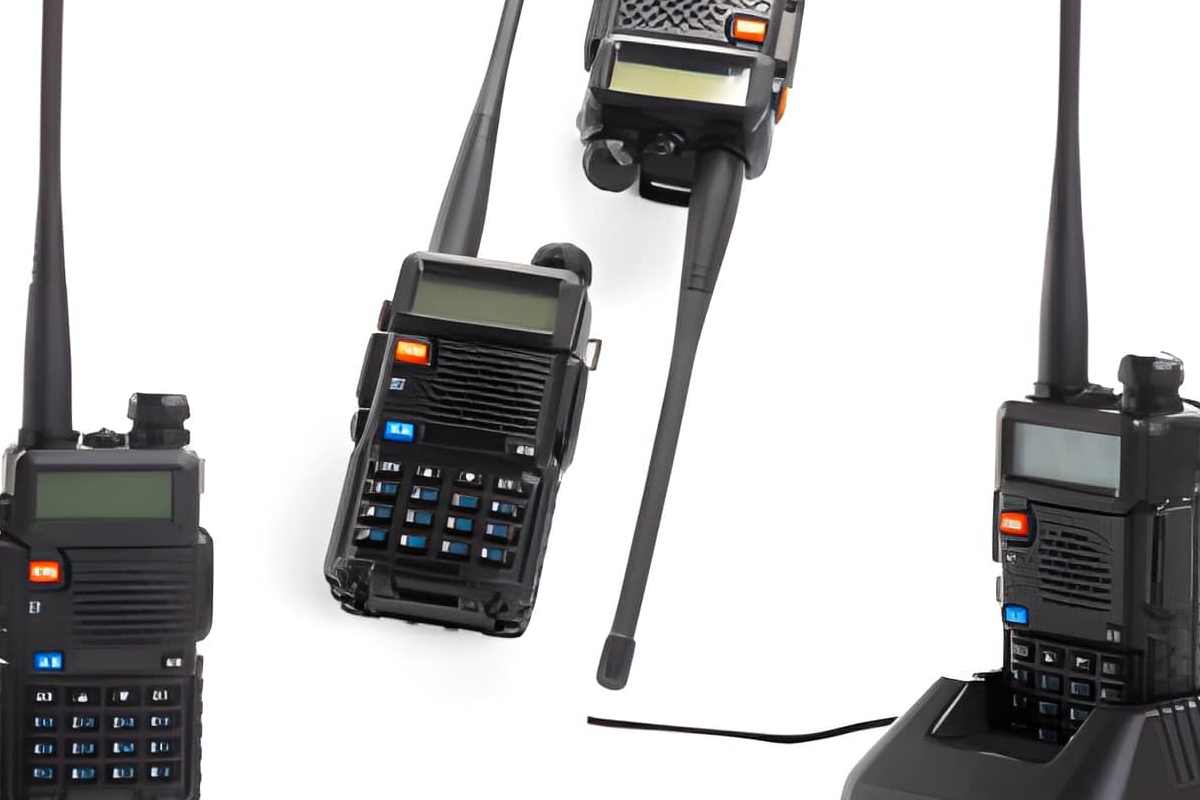
Depending on the type of radio you have, its ability to reach specific distances will vary. The technology allowing the device to operate determines how far your signal can go, as well as the coverage options you may have included in your purchase. For instance, some PoC devices allow you to opt into global coverage, extending the range beyond nationwide coverage.
With traditional analog radios, range is based on radio wave transmissions. Line-of-sight is impacted by various factors, including the height of the antenna, terrain, and the type of frequency band. Typically, higher antennas and terrain with few obstructions and lower frequencies can cover a greater range. Most use cases for traditional analog radios are for communicating at shorter distances to avoid connectivity issues and a lack of audio clarity.
The technology involved is a determining factor of how far your signal can reach. Today’s cloud-based PTT technologies make it possible to stay connected with greater convenience and greater distances, thanks to multiple network coverage on 4G/5G networks. Features like built-in failover mechanisms make it possible for radios to stay connected even when service fails. For more information on the factors impacting how far your walkie-talkie range can go, continue reading below.
Table of Contents
Factors Impacting Traditional Walkie-Talkie Range
There are many outside factors that impact walkie-talkie range. External obstacles, like trees, mountains, hills, and tall buildings, can create blockage for radio waves, significantly reducing them. Terrain that is hilly, forested, or in a city setting may also negatively influence the signal, cutting range significantly compared to open terrain. Moreover, the line of sight (how clear the path is between radios) will influence communication and signal range.
The clearer the path, the greater the range. Other factors that impact range are the weather and frequency band, with some frequencies more easily blocked by obstacles. The walkie-talkie power output also impacts range, with higher wattage providing more range, though regulations apply.
Factors Impacting PoC Radio Signal
With PoC radios, the range offered is nearly limitless, as there is reliance on Wi-Fi and cellular networks. The quality of the network, the LTE coverage, and the power supporting the device all influence range. Unlike the typical limitations that traditional radios face, PoC radios bypass these issues by relying on existing networks where cell service is present.
Network quality, network issues, and the wattage and features of the modern walkie-talkie devices all impact the range of these devices. Opting in for global coverage can also include extended range capacity, depending on the model and provider you purchase from. Failover mechanisms are also critical to the signal range of your device. The quality and availability of network redundancy makes all the difference.
Quality Influencing Range
PoC radios typically bypass the limitations experienced with traditional analog radios. However, the walkie-talkie design quality, power, and network quality can have a significant influence on how well modern radios meet user expectations of range and coverage. Using tools like repeaters and boosters may help in maintaining performance in certain regions.
*** This content is for entertainment purposes only and is not professional, informational, or educational advice.