


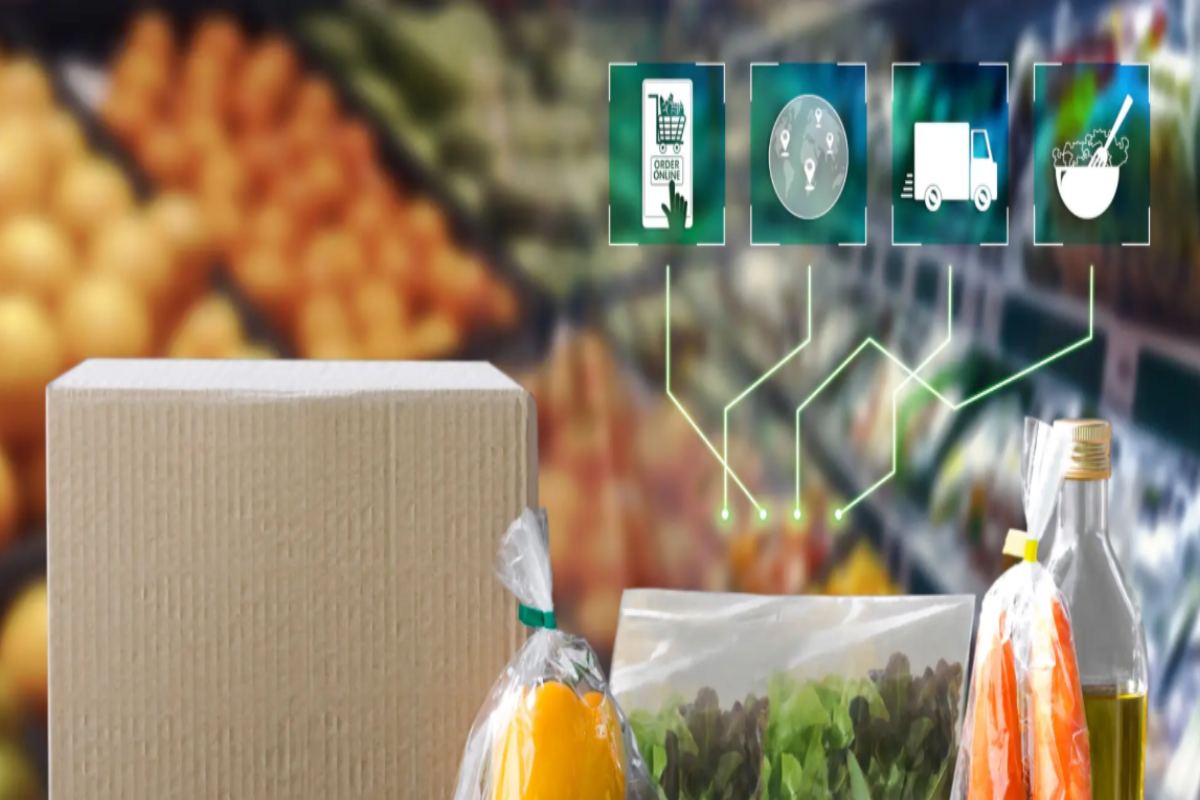
Food and beverage brands compete for attention in a crowded aisle. Taste matters, of course. Price matters too. But the first thing a shopper notices is the package.
Color. Texture. Shape. Messaging.
Packaging acts like a silent salesperson. It communicates brand values, signals product quality, and often determines whether a customer reaches for a product—or walks past it.
For emerging F&B brands, packaging decisions carry weight. A well-designed label can spark curiosity. A thoughtful material choice can build trust. A QR code can open a whole new channel for storytelling.
And the opportunity is growing fast. According to the Strategic Market Research report on the smart food packaging market, the global smart food packaging sector was valued at $13.6 billion in 2023 and is projected to reach $23.5 billion by 2030, expanding at an annual growth rate of about 8%.
So what does this mean for food and beverage entrepreneurs?
Packaging is no longer just protection. It’s marketing, sustainability messaging, customer engagement, and revenue growth rolled into one.
Let’s break it down.
Table of Contents
Packaging as a Marketing Tool
Walk into any grocery store and you’ll notice something immediately: dozens of products competing for the same shopper’s attention.
That’s where packaging steps in.
Research published in the European Journal of Scientific Research found that packaging plays a major role in product selection. Visual design, information clarity, and usability all influence whether customers recognize a brand and feel confident enough to purchase it.
In short: packaging communicates.
What Packaging Tells Customers
Great packaging sends subtle signals:
Quality – Premium materials and typography imply higher product standards
Brand personality – Playful, refined, earthy, bold
Transparency – Clear labeling and ingredient details build trust
Story – The brand’s origin or mission
A customer scanning a shelf makes decisions quickly. Sometimes in seconds.
Packaging helps answer unspoken questions:
Is this product trustworthy?
Does it align with my values?
Does it look better than the other options?
When those answers are clear, sales follow.
Packaging as an Extension of Brand Identity
For many startups, packaging serves as the primary brand asset. Before advertising budgets grow or social media audiences expand, packaging carries the brand message.
That means every detail counts:
Color palettes tied to flavor profiles
Iconography that communicates ingredients or certifications
Typography that reflects the brand tone
Copy that explains the product quickly
Consistency matters too. The same design language across packaging, website, and promotional materials strengthens brand recall.
Even merchandise can play a role here. Many emerging brands experiment with branded apparel for events or pop-ups. Custom t-shirt printing, for example, can turn staff uniforms and promotional items into walking brand advertisements.
Small touchpoints. Big recognition.
Sustainability: The Packaging Expectation
Consumers care about environmental impact. And packaging is one of the first places they look for proof that a brand takes sustainability seriously.
A study published in the Sustainability Journal (MDPI) examined how packaging attributes influence purchasing decisions. Researchers evaluated factors like material type, product origin labeling, and environmental claims.
The results were clear.
Packaging material and eco-labels directly influenced purchase preferences.
For food and beverage brands, this creates both pressure and opportunity.
Popular Eco-Material Trends
Many brands are shifting toward materials that reduce environmental impact while still protecting product freshness.
Some of the most common options include:
1. Compostable packaging
Materials derived from plant fibers or bioplastics that break down under composting conditions.
2. Recyclable mono-material packaging
Using a single material rather than layered plastics makes recycling easier.
3. Paper-based alternatives
Paper containers or cartons replacing plastic clamshells and trays.
4. Refillable systems
Reusable jars or containers paired with refill pouches.
Consumers often notice these efforts right on the package.
Labels such as:
“Compostable”
“100% recyclable”
“Plant-based packaging”
These signals influence buying decisions, particularly for younger shoppers.
Sustainability and Pricing Power
Sustainable packaging can also affect pricing strategy.
Research from the Academy of Marketing Studies Journal found that consumers were willing to pay 11% to 30% more for products with appealing packaging.
That includes packaging perceived as environmentally responsible.
In other words, eco-conscious materials don’t just support brand values. They can also support margins.
Design Innovation: Smart Packaging and QR Storytelling
Packaging technology is evolving quickly.
Beyond aesthetics and materials, many brands now use packaging to deliver digital experiences.
Smart packaging is leading that shift.
According to Grand View Research, the global smart packaging market is expected to reach $43.3 billion by 2030, with growth fueled by innovations like temperature indicators, freshness sensors, and tamper-evident features.
For food brands, however, one of the most accessible innovations is the humble QR code.
QR Codes as Brand Story Portals
A small QR code can lead customers to:
Behind-the-scenes farm sourcing stories
Recipes using the product
Sustainability reports
Loyalty programs
Brand videos
Social media pages
One scan connects the physical product to digital storytelling.
And customers do scan.
Smartphone habits have normalized QR usage across retail, restaurants, and e-commerce.
For emerging brands, this creates a powerful opportunity: turning packaging into interactive media.
Packaging + Data Insights
Smart packaging also allows brands to gather insights.
When customers scan QR codes, brands can learn:
Which regions interact most
What content attracts engagement
Which products generate repeat scans
These insights help marketing teams refine messaging and campaigns.
Marketing itself is evolving alongside these technologies. In fact, studies show 47% using AI in marketing among small food and beverage businesses today, helping analyze customer behavior and optimize campaigns.
Packaging, digital tools, and analytics now work together to shape the customer journey.
Shelf Appeal: Design That Stops the Scroll… and the Cart
Shelf appeal works a lot like social media.
You have seconds to capture attention.
Bold color choices, simple messaging, and recognizable design elements make products stand out.
But effective packaging isn’t about being loud.
It’s about being clear.
Design Elements That Influence Purchases
Several packaging attributes consistently influence buying behavior:
Color psychology
Warm colors often signal energy or flavor intensity, while soft tones suggest natural ingredients or calmness.
Typography clarity
Fonts must be readable at a glance. Decorative type works best in moderation.
Visual hierarchy
Customers should instantly see:
Brand name
Product type
Key benefit or ingredient
Product visibility
Transparent windows allow shoppers to view the food itself, which often increases trust.
Small adjustments to these elements can significantly affect sales performance.
The ROI of Better Packaging
Design investments may seem cosmetic. But the financial impact can be measurable.
Packaging influences:
Product trial
Brand recall
Repeat purchases
Perceived product value
Consider the price premium mentioned earlier—up to 30% higher willingness to pay for well-designed packaging.
Now multiply that across thousands of units sold.
That’s not a small effect.
Where Packaging Generates Return
F&B brands often see packaging ROI through several channels:
Higher shelf conversion
More shoppers choosing the product over competitors.
Greater brand recognition
Memorable packaging makes repeat purchases easier.
Retailer interest
Buyers often favor products with strong shelf presence.
Marketing efficiency
Good packaging reduces reliance on paid advertising by communicating the brand directly in-store.
For startups with limited marketing budgets, packaging often becomes the most visible brand investment.
And one of the most profitable.
How Growing F&B Brands Can Approach Packaging Strategy
Packaging projects can feel overwhelming. Materials, printing methods, design choices, regulations—it’s a lot.
Breaking the process into stages helps.
Step 1: Define Brand Identity
Before designing packaging, clarify the brand story.
Ask questions like:
What emotion should customers feel when they see the product?
Is the brand playful, artisanal, premium, or functional?
Which values matter most—sustainability, heritage, nutrition?
The answers guide visual design decisions.
Step 2: Choose Materials Strategically
Material selection affects cost, sustainability, and durability.
Consider:
Shipping conditions
Shelf life
Storage environments
Customer expectations
Food safety standards also shape material options.
Step 3: Test Designs With Real Customers
Early feedback saves time and budget.
Brands often test packaging through:
Small production runs
Farmers markets or pop-ups
Social media polls
Focus groups
Customer reactions reveal which design resonates most.
Step 4: Integrate Storytelling Elements
This is where QR codes, certifications, and brand messaging come together.
Effective packaging often includes:
Short brand narratives
Sustainability commitments
Ingredient sourcing details
Calls to action directing customers online
Packaging becomes a conversation starter.
Conclusion
Packaging plays a much larger role in the success of food and beverage brands than many founders initially expect.
It attracts attention on crowded shelves.
It communicates brand values.
It signals product quality.
It even influences how much customers are willing to pay.
Research confirms this impact. Studies show that packaging design directly shapes consumer purchase decisions, while sustainable materials and thoughtful presentation can justify price premiums.
At the same time, packaging is evolving. Smart technologies and QR codes allow brands to extend storytelling beyond the physical product. Sustainability initiatives are becoming visible brand markers. Data tools are helping companies refine their approach.
For F&B entrepreneurs and brand managers, the message is clear.
Packaging is marketing.
From eco-friendly materials to engaging design and interactive storytelling, every packaging decision shapes how customers experience a brand.
And sometimes, that experience begins with a simple moment:
A shopper pauses.
A label catches their eye.
A product goes into the cart.
That’s the power of thoughtful packaging.