


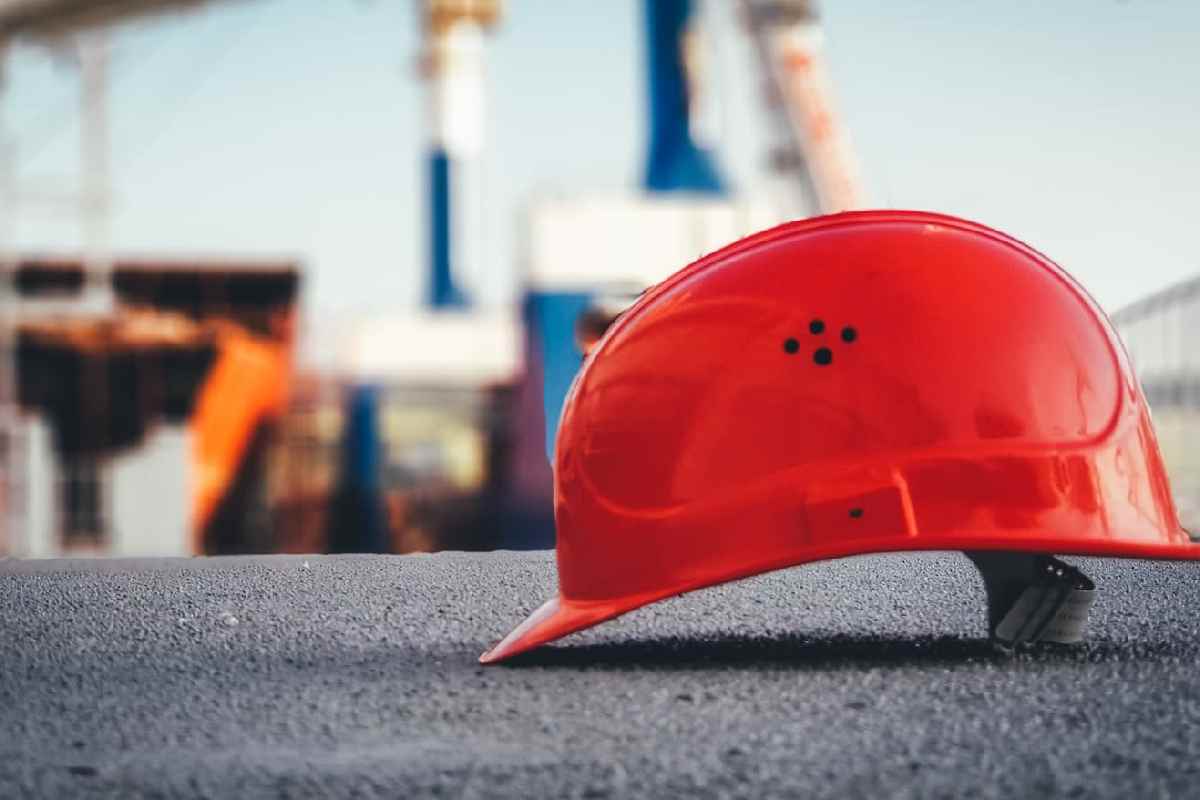
On any active job site whether it’s commercial construction, residential building, roofing, or infrastructure development head protection is non-negotiable. Among all protective equipment, a properly fitted construction hard hat remains one of the most essential items for preventing serious injury. While tools and machinery drive productivity, it’s protective equipment that ensures workers go home safely at the end of each day.
Table of Contents
Understanding the Risks on Construction Sites
Construction sites are dynamic environments. Materials are constantly being lifted, moved, or installed. Workers operate at height, tools are passed between levels, and heavy equipment functions nearby.
Head injuries can occur from:
- Falling tools or debris
- Accidental contact with beams or scaffolding
- Slips and falls
- Electrical hazards in certain environments
Even a small object dropped from height can cause significant trauma. A hard hat absorbs impact energy, reducing the force transmitted to the skull and brain.
How Hard Hats Actually Protect Workers
Hard hats are engineered with a rigid outer shell and a suspension system inside. The outer shell disperses impact, while the internal harness creates space between the shell and the wearer’s head.
This design accomplishes two things:
- It spreads the force of an impact across a broader area.
- It reduces direct contact between the head and the object.
Some models also provide protection against electrical shock, depending on their classification.
Regular inspection is critical. Cracks, dents, or compromised suspension systems reduce effectiveness significantly.
Compliance and Industry Standards
Occupational safety regulations in many countries require head protection in environments where falling objects or impact hazards exist.
Compliance isn’t optional it protects both workers and business owners. Failing to enforce proper head protection can result in:
- Workplace injuries
- Regulatory fines
- Project shutdowns
- Legal liability
Maintaining up-to-date safety certifications and replacing worn equipment demonstrates professionalism and accountability.
Choosing the Right Hard Hat
Not all hard hats are identical. Different trades require different specifications:
- General construction: Standard impact-resistant models.
- Electrical work: Hard hats rated for electrical insulation.
- High-visibility environments: Brightly colored helmets for visibility.
Fit matters as much as rating. A loose hard hat may fall off during movement, while an overly tight one may cause discomfort and discourage consistent wear.
Comfort directly influences compliance.
Building a Safety-First Culture
Providing hard hats is only part of the solution. Leaders must enforce usage consistently and model safe behavior themselves.
Safety culture thrives when:
- Supervisors conduct daily safety checks.
- Workers feel comfortable reporting hazards.
- Protective equipment is treated as essential, not optional.
Shortcuts on safety often lead to long-term consequences.
The Long-Term Benefits of Head Protection
Head injuries can lead to life-altering consequences, including concussions, traumatic brain injuries, and long-term neurological complications.
Preventative measures significantly reduce these risks. Beyond physical protection, maintaining strong safety standards enhances business reputation. Clients and contractors are more likely to trust companies that prioritize worker well-being.
Safety is both ethical and strategic.
Why the Hard Hat Remains Iconic in Construction
The hard hat has become a universal symbol of construction work and for good reason. It represents preparation, responsibility, and professionalism.
While the industry continues to innovate with advanced tools and materials, head protection remains one of the simplest and most effective safety measures available.
In construction, productivity matters but protection comes first.
