


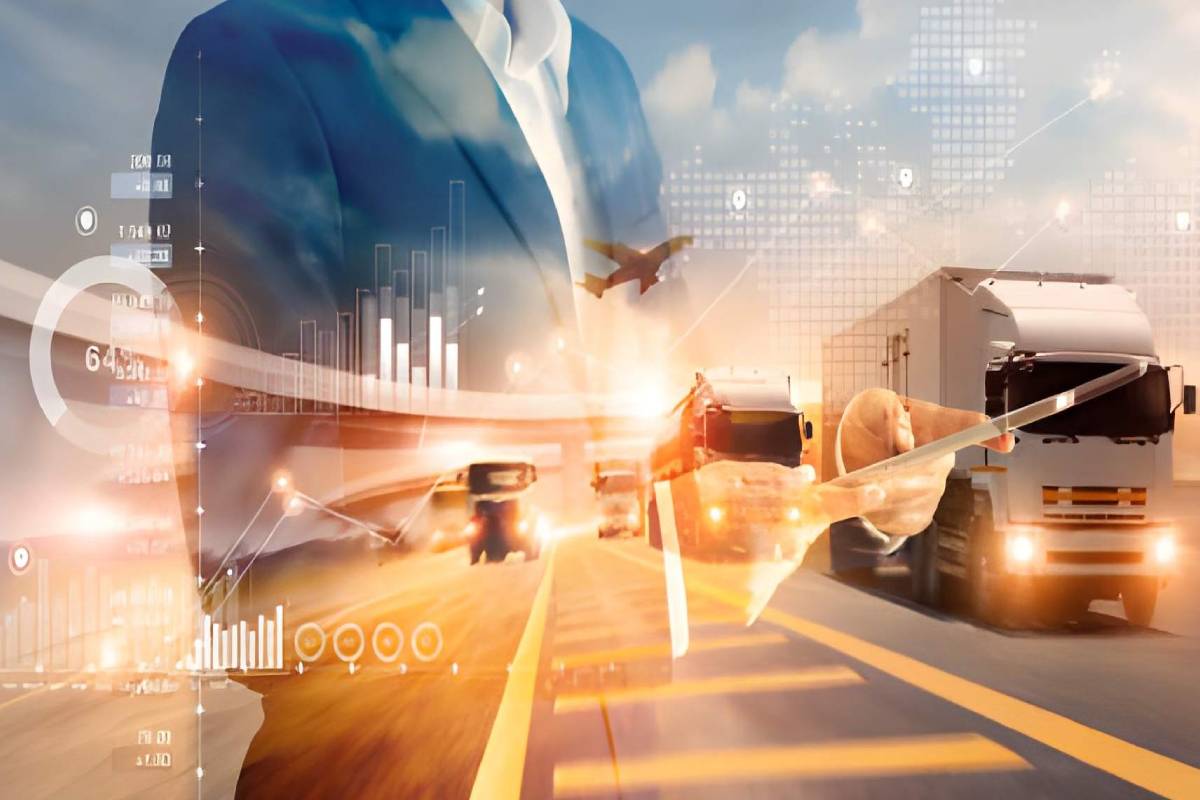
In an era where efficiency and sustainability are no longer optional, companies across industries are focusing on optimising transport performance. Whether moving goods across continents or managing local deliveries, modern businesses are transforming their transport operations to cut costs, improve customer satisfaction, and reduce environmental impact. Here’s how they’re doing it.
Table of Contents
Leveraging Real-Time Telemetry and Fleet Insights
One of the most impactful changes in transport management has been the adoption of real-time telemetry systems. These technologies allow companies to monitor vehicles and assets as they move, delivering actionable data on location, speed, fuel consumption, and driver behavior.
For example, a robust fleet tracker solution enables transport managers to instantly see where vehicles are, anticipate potential delays, and respond to disruptions before they escalate. With these insights, decisions that once relied on guesswork are now data-driven and precise.
Improving Route Planning with AI and Dynamic Scheduling
Route planning used to be a manual task based on static maps and historical performance. Today, companies integrate artificial intelligence (AI) and machine learning into their logistics systems to calculate the most efficient routes in real time. These systems can factor in traffic conditions, weather forecasts, delivery windows, and vehicle capacities.
Dynamic scheduling adapts to real-world conditions throughout the day. If a road closure occurs or a delivery takes longer than expected, the system recalculates alternate routes and updates schedules without human intervention. The result? Faster deliveries, lower fuel usage, and reduced driver stress.
Embracing Predictive Maintenance to Prevent Breakdowns
Transport performance isn’t just about where vehicles go; it’s also about ensuring they’re capable of getting there. Predictive maintenance tools analyze data from sensors embedded in vehicles to anticipate mechanical issues before they become breakdowns.
Instead of waiting for a part to fail, companies can schedule repairs during downtime, reducing costly disruptions. This predictive approach extends vehicle life, lowers maintenance expenses, and keeps fleets moving smoothly.
Enhancing Driver Performance and Safety
Drivers are at the heart of any transport operation, and optimising their performance directly boosts efficiency. Many businesses now use telematics to provide drivers with feedback on brake patterns, acceleration habits, and idle times. Training programs built around this data help drivers adopt safer, more fuel-efficient behaviours.
Gamification strategies, such as driver leaderboards or rewards for safe driving, motivate teams to improve performance. When drivers feel supported rather than monitored, companies see higher engagement and better overall results.
Prioritising Sustainability Goals
With growing pressure to reduce carbon footprints, transport optimization increasingly incorporates sustainability targets. Companies are investing in electric vehicles (EVs) and planning routes that minimise emissions. Telematics systems help measure environmental impact, providing data on fuel efficiency and emissions that can be used to report on progress against sustainability commitments.
Some businesses experiment with alternative delivery methods, such as cargo bikes or consolidation centres, to reduce urban congestion and emissions. These innovations not only support environmental goals but often yield cost savings too.
Integrating Transport with Broader Supply Chain Systems
Optimising transport performance doesn’t happen in isolation. Leading companies integrate transport management systems (TMS) with warehouse systems, customer service platforms, and enterprise resource planning (ERP) tools. This connectivity creates a unified view of the end-to-end logistics process, ensuring every part of the supply chain works in harmony.
By breaking down data silos, companies gain deeper visibility into inventory levels, delivery status, and customer expectations, enabling a smarter, more responsive transport ecosystem.
