


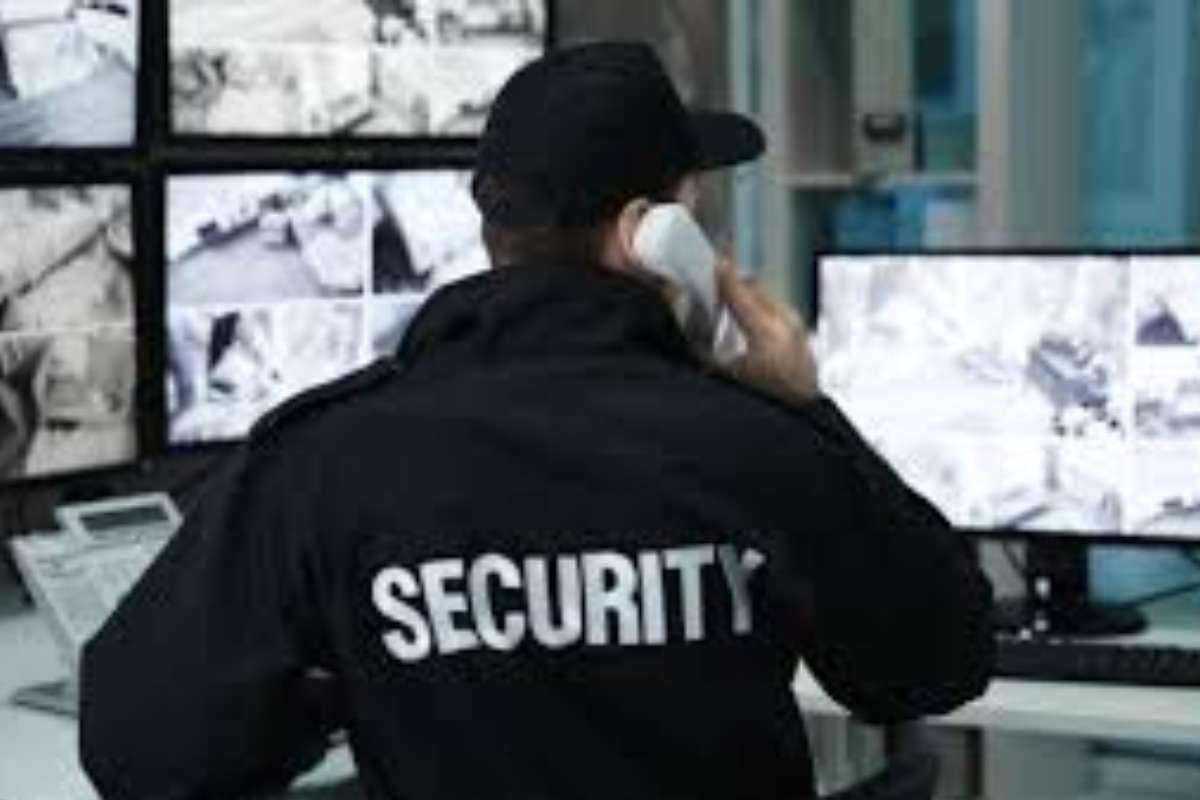
It starts small.
A door that wasn’t fully closed during the morning walk-through.
A delivery driver wandering deeper into the building than expected.
Someone in the parking lot after hours who doesn’t quite belong there.
Nothing major. Not yet.
But that tiny voice in the back of your head starts talking: Maybe we should look into security.
So you open a browser. Type a few words. Something like “security guard companies Tulsa.”
Suddenly there are dozens of options.
Uniforms. Patrol vehicles. Promises of safety.
But here’s the uncomfortable truth: hiring security isn’t just about putting someone near the front door with a radio. The right security partner changes how a business handles risk, safety, and day-to-day operations.
And the wrong one?
Well… let’s just say you don’t want to discover that during an actual incident.
Table of Contents
First Question: What Are You Actually Protecting?
Before hiring anyone, businesses need to pause and ask a simple question.
What exactly needs protection here?
Because security needs vary wildly depending on the industry.
Retail stores deal with shoplifting and crowd management.
Warehouses worry about after-hours access and equipment theft.
Corporate offices focus on visitor control and employee safety.
Different environment. Different risks.
That’s why experienced security guard companies Tulsa typically begin with a site assessment rather than a sales pitch. They look at entrances, parking areas, operating hours, and potential vulnerabilities.
Sometimes the biggest risks aren’t even obvious.
Poor lighting in a loading dock.
Unmonitored side entrances.
Employee parking areas far from building entrances.
Security planning often starts by noticing the details most people overlook.
The Licensing Conversation (Yes, It Matters)
Not all security guards are created equal.
Some are highly trained professionals with emergency response experience. Others… well… might have watched a two-hour training video and received a uniform.
This is why licensing and certification should always come up during hiring discussions.
Professional security providers should be able to confirm:
- State licensing compliance
- Background checks for guards
- Formal training procedures
- Emergency response protocols
According to the U.S. Bureau of Labor Statistics, many security officers receive instruction in surveillance techniques, communication systems, and conflict de-escalation strategies.
That training matters more than people realize.
Because when something goes wrong, businesses don’t just need someone standing nearby.
They need someone who knows what to do next.
Local Experience: The Quiet Advantage
Security isn’t just about watching cameras or checking IDs.
It’s about understanding patterns.
Local providers often know the neighborhoods they serve. They recognize common risks around business districts, industrial areas, and event venues. They understand which hours tend to attract trouble and which areas require extra monitoring.
That familiarity can make a huge difference.
Businesses researching security guard companies Tulsa often discover that companies with strong local presence bring a deeper awareness of regional security challenges.
Which means fewer surprises.
And surprises are rarely welcome in security work.
Security Services Aren’t One-Size-Fits-All
A common misconception?
That every business needs the same type of security guard.
Not quite.
Security services can vary depending on operational needs. Some companies require visible on-site personnel at entrances. Others benefit more from mobile patrols that check multiple locations overnight.
Common options include:
On-site guards
These professionals maintain a constant presence, monitor entrances, and interact directly with visitors or employees.
Mobile patrol units
Officers perform scheduled checks across large properties or multiple buildings.
Event security
Crowd management specialists trained to handle large gatherings safely.
Access control monitoring
Personnel responsible for managing visitor logs, badge systems, and restricted areas.
The right combination depends entirely on the business environment.
There’s no universal blueprint.
Communication: The Hidden Piece of Good Security
Here’s something businesses often overlook when hiring security.
Reporting.
Professional security teams document everything—from suspicious activity to routine patrol checks. Incident reports, daily summaries, and communication logs help businesses track patterns and identify vulnerabilities.
It’s not glamorous work.
But it’s incredibly useful.
Clear communication ensures that security personnel work seamlessly with management, employees, and emergency services when necessary.
And when incidents happen (because eventually they do), good documentation becomes extremely valuable.
Reputation Speaks Loudest
Security guards are often the first people visitors see when entering a business.
That visibility matters.
Professional appearance. Calm communication. Situational awareness. These qualities shape how customers and employees perceive the workplace.
Before choosing a provider, businesses should look closely at reputation indicators:
- Client testimonials
- Years of service
- Industry specialization
- Professional training standards
Reliable security guard companies Tulsa understand that security is not just about protection.
It’s also about trust.
A Smarter Approach to Workplace Safety
Hiring security shouldn’t happen in a rush.
It’s a strategic decision that influences workplace safety, employee confidence, and business continuity.
When businesses evaluate licensing, training, service options, and local experience, they position themselves to choose a security partner capable of responding to real-world risks.
And once the right team is in place?
That little voice in the back of your head—the one that noticed something felt off—gets a lot quieter.
Which is exactly the point.
